If you blinked this week, you missed the start of a new era.
For the past year, the industry has been reeling from the "DeepSeek Shock" of early 2025, which forced every major lab to pivot from brute-force scaling to "cognitive density"—packing more intelligence into smaller, cheaper models. But the last 48 hours have marked a different shift entirely. We have moved from AI that talks to AI that does.
Welcome to the Agentic AI War.
Yesterday, OpenAI dropped GPT-5.3-Codex, a model explicitly designed to operate computers. Hours later, Anthropic fired back with Claude Opus 4.6. Here is everything you need to know about the tech defining February 2026.
1. OpenAI’s GPT-5.3-Codex: The "Doer"
Release Date: Feb 5, 2026
OpenAI’s latest release isn't just a chatbot update; it’s an infrastructure shift. GPT-5.3-Codex is the first model from OpenAI classified as "High Capability" for cybersecurity and autonomous tasks.
Key Features:
- Native Computer Use: Unlike previous models that simulated code execution, 5.3-Codex can navigate operating systems, manage files, and operate terminals directly. It doesn't just suggest a bash script; it runs it, debugs the error, and re-runs it.
- Long-Running Agentic Workflows: The model is optimized for tasks that take hours, not seconds. You can assign it a refactoring job on a legacy codebase, and it will iterate through the project tree, testing changes as it goes.
- 25% Speed Boost: Despite the heavy reasoning capabilities, OpenAI claims a 25% inference speed increase over the previous 5.2 architecture, likely due to the new specialized "agent heads" in the transformer architecture.
For Developers: This is the "Junior Developer" promise finally realized. It integrates directly into VS Code and CLI tools, acting less like a pair programmer and more like an autonomous task runner.
2. Anthropic’s Counter: Claude Opus 4.6
Release Date: Feb 6, 2026
In a move that screams "we were ready," Anthropic released Claude Opus 4.6 less than 24 hours after OpenAI’s announcement.
While OpenAI is focusing on raw execution power, Anthropic is doubling down on nuance and safety in complex reasoning. Early benchmarks suggest that while GPT-5.3 is faster at pushing code, Opus 4.6 is significantly better at architectural decision-making and avoiding "agentic drift" (where an AI agent slowly veers off-task over long sessions).
- The Rivalry: It is now a direct model-to-model slugfest. If you need a script written and executed now, use Codex. If you need a system architecture designed, Opus 4.6 holds the crown.
3. Google’s Silent Revolution: Gemini 3 & "Personal Intelligence"
Status: Rolling out now
While the startups fight over code, Google is quietly integrating Gemini 3 into the browser itself. The new "Agentic Vision" in Gemini 3 Flash is a game-changer for frontend developers and designers.
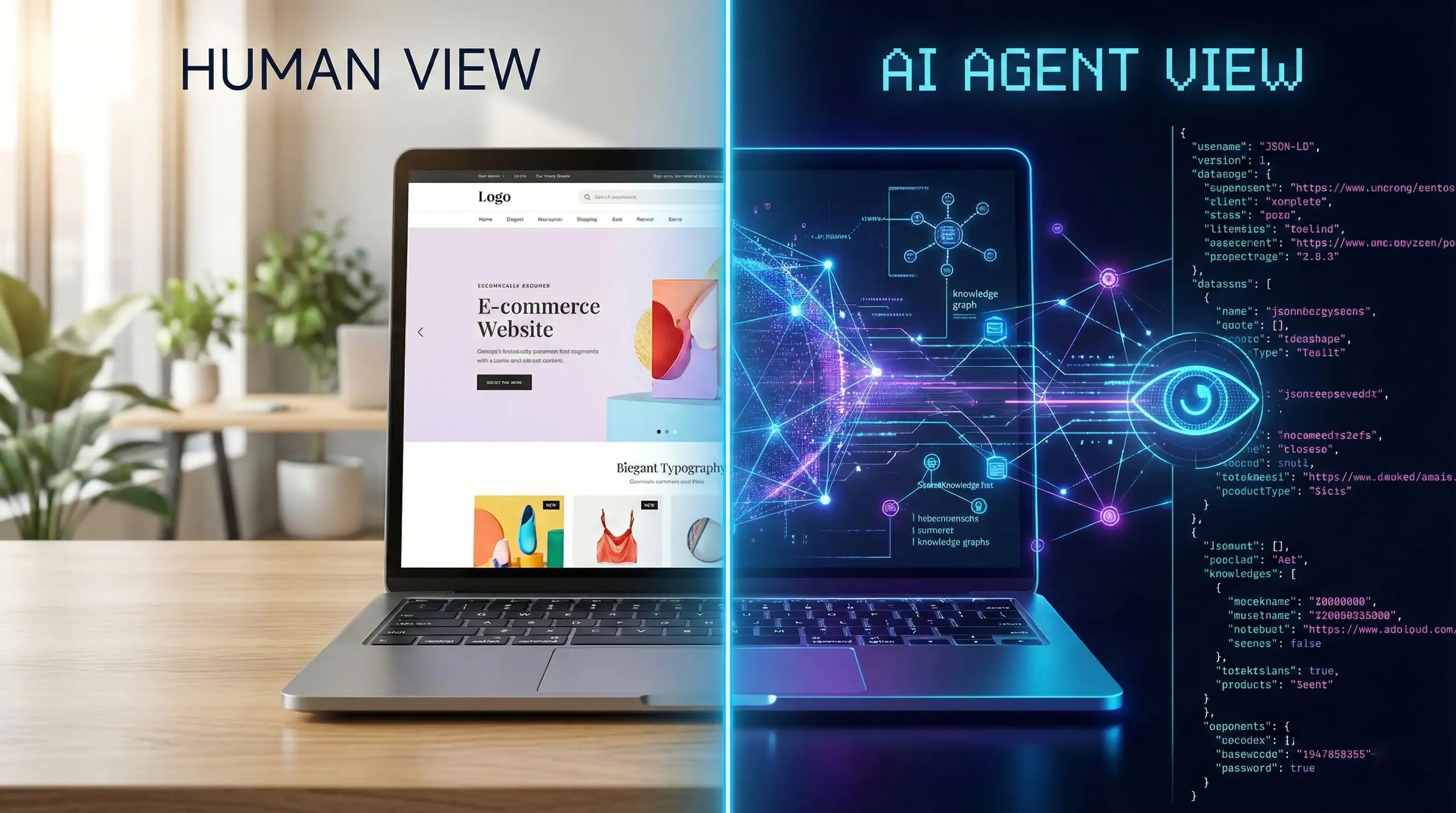
Instead of processing a static screenshot of a website, Agentic Vision "explores" the UI—hovering over elements and understanding dynamic states. Google has also rolled out "Personal Intelligence" across Chrome and Gmail, allowing Gemini to perform multi-step "autobrowse" tasks (like booking flights or filing expenses) by actually clicking through websites on your behalf.
4. The DeepSeek Effect: Why Efficiency Still Rules
We cannot talk about 2026 without mentioning DeepSeek. Their R1 model (from Jan 2025) commoditized high-level reasoning, proving you don't need a trillion-dollar cluster to build smart AI.
This pressure is why GPT-5.3 and Opus 4.6 are affordable. The "DeepSeek Effect" forced US labs to optimize. If these new models were priced at 2024 levels, no developer could afford to let them run autonomously for hours. Today, "agentic loops" are finally economically viable.
What This Means for You
If you are a developer in 2026, the job description just changed.
- Shift from Syntax to Supervision: You will spend less time writing boilerplate and more time reviewing the "pull requests" created by your AI agents.
- Security is Paramount: With agents having terminal access, "prompt injection" is no longer just a nuisance; it's a remote code execution vulnerability.
- The "Agent Stack": We are seeing the rise of a new tech stack. It’s no longer just Frontend/Backend/Database. It’s Context/Tools/Guardrails.
The tools are here. The agents are ready. The question is: What will you build with them?