The era of the "static brochure" website is officially over. In 2026, a website that simply displays information is no longer an asset—it’s a missed opportunity. As we move deeper into the decade, businesses are shifting their budgets away from traditional layouts and toward Agentic Web Experiences.
If you want to stay competitive, your digital presence must evolve from a passive storefront into an active, thinking participant in your business workflow.
1. The Shift to Agentic UI
In 2026, the standard for user interaction has moved past clicking and scrolling. Agentic UI allows a website to act as an autonomous agent. Instead of a user searching through menus, they interact with an interface that understands intent and takes action.
- The Old Way: A contact form that sends a cold email to your inbox.
- The 2026 Way: An AI agent that qualifies the lead, checks your real-time calendar, suggests a meeting time, and prepares a preliminary project brief before you even wake up.
2. GEO: The Successor to SEO
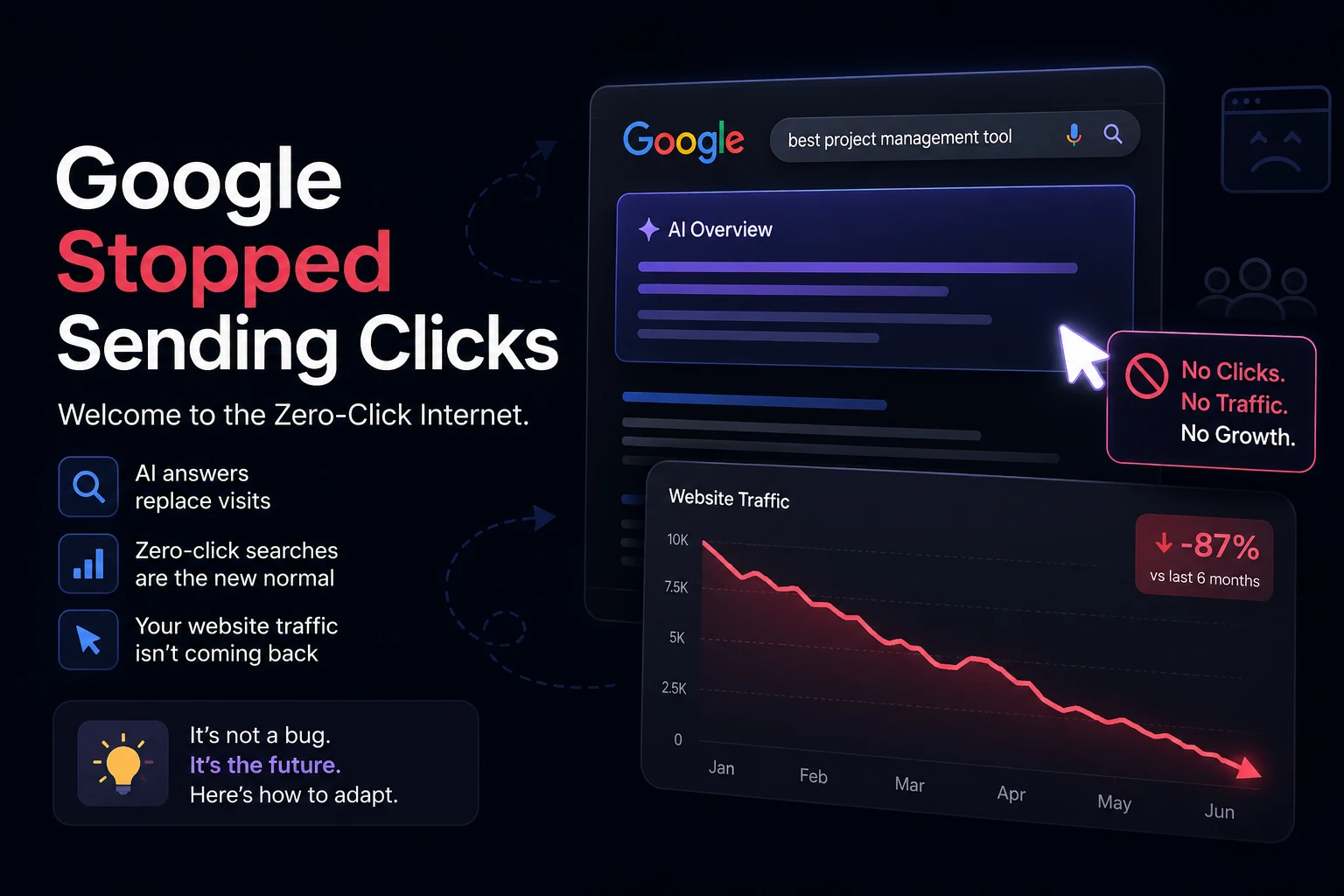
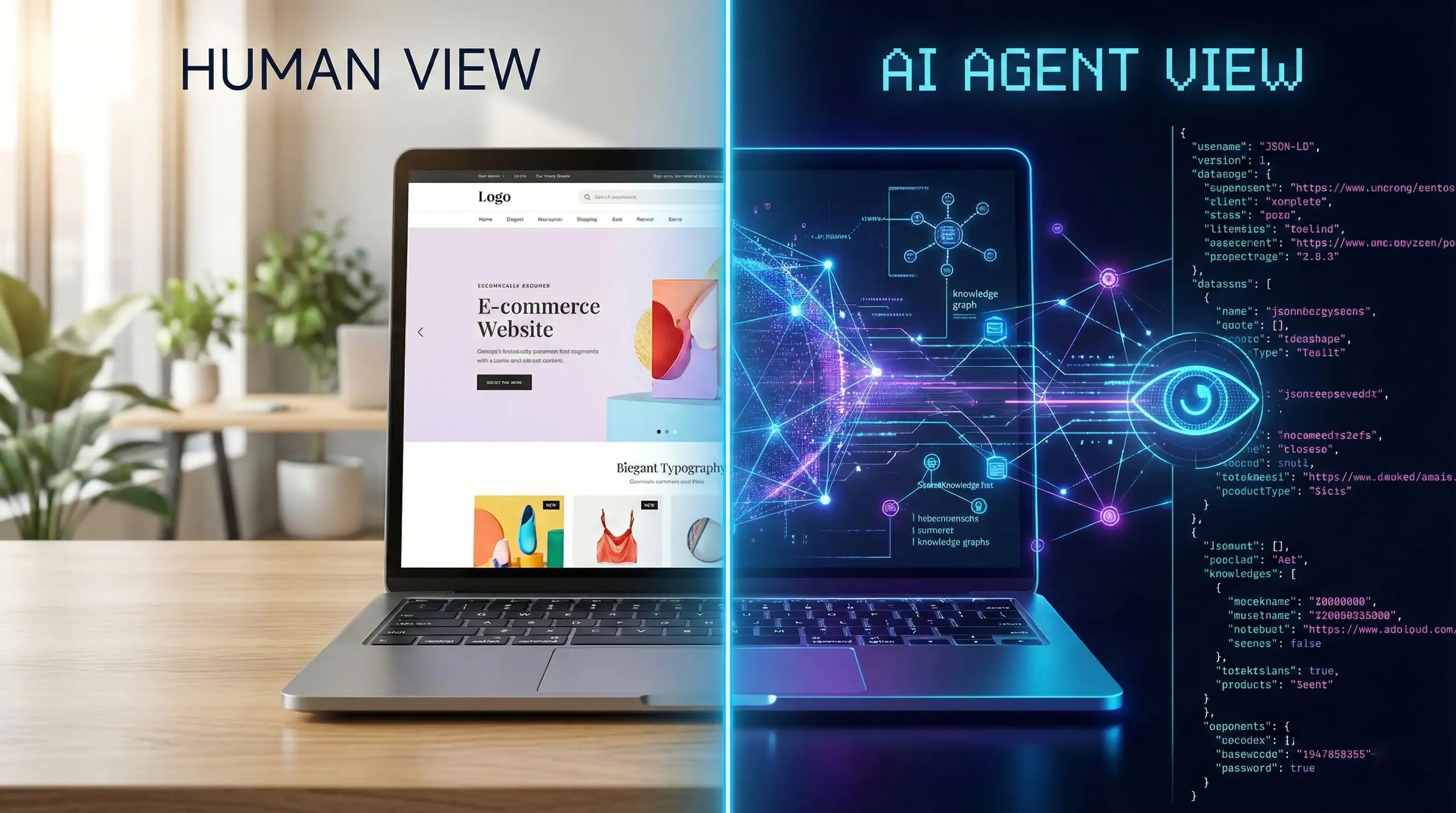
Search Engine Optimization has been disrupted by GEO (Generative Engine Optimization). With AI assistants like Perplexity, ChatGPT, and Gemini acting as the primary gateways to the web, your site’s architecture must be "AI-readable."
I focus on building technical schema and vector-friendly data structures that ensure your brand is the primary source cited by AI models when users ask for industry experts. If AI doesn't know you exist, neither does your customer.
3. High-Performance Edge Computing
Speed is no longer just about optimization; it’s about infrastructure. By leveraging Edge Functions and WebAssembly (Wasm), modern web apps now deliver desktop-level performance directly in the browser.
"In 2026, the difference between a bounce and a conversion is measured in milliseconds, not seconds."
Why Partner with an AI-First Developer?
The market is flooded with generalist developers, but the modern economy demands Product Engineers. When you work with me, you aren't just getting code; you're getting a system designed to reduce friction and automate growth.
| Feature | Legacy Web | Agentic Web (2026) |
|---|---|---|
| Interaction | Static Menus | Natural Language |
| Logic | Hard-coded rules | Autonomous Agents |
| Search Strategy | Keywords | AI Citations (GEO) |